Roofing tiles are a key component of building roofing systems. Their function extends beyond simply shielding the roof from wind and rain; they also significantly impact the safety, durability, and aesthetics of the overall structure. Because tiles are constantly exposed to multiple environmental influences, material selection, construction, testing, and daily maintenance must all adhere to relevant standards to prevent potential hazards and ensure stable performance. The following outlines important considerations for application and maintenance from multiple perspectives.
During the material selection phase, the climate conditions of the building's location and the roof structure's load-bearing capacity should be fully considered. Different materials exhibit significant differences in weather resistance, water absorption, frost resistance, and fire resistance. For example, in rainy and snowy areas, tiles with low water absorption and good freeze-thaw resistance should be prioritized; in areas with strong sunlight, the material's resistance to ultraviolet aging should be carefully considered. Simultaneously, the impact of the tile's self-weight on the main structure should be assessed to avoid safety hazards caused by overloading.
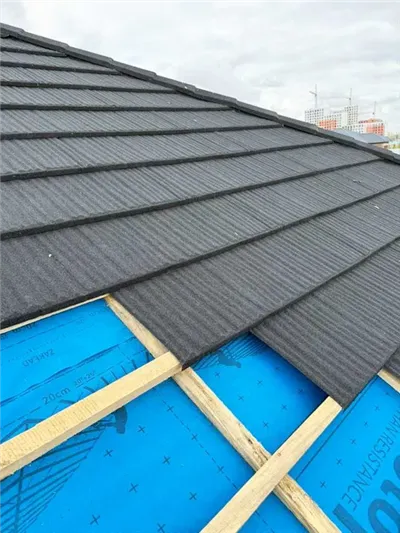
Construction and installation must be strictly carried out in accordance with the design and relevant technical specifications. Roof tile installation should maintain a reasonable overlap length and direction to ensure smooth drainage and prevent wind-induced overturning. The quantity, type, and anchoring depth of fasteners should meet wind and earthquake resistance requirements, especially at corners, ridges, and windward surfaces where stress is concentrated. Construction workers should possess the necessary skills to avoid causing tile cracks or edge damage due to hammering or stepping. After completion, an overall flatness and sealing inspection should be conducted.
During daily use and maintenance, the roof condition should be inspected regularly. Pay close attention to whether tiles are displaced, cracked, missing corners, or the glaze is peeling. Check for loose or rusted fasteners, and remove accumulated leaves, mud, and debris to prevent blockage of drainage channels or localized water accumulation. For roofs with gentle slopes or prone to water accumulation, the inspection cycle should be shortened, and the drainage system should be cleared before the rainy season. Moderate or severe damage should be repaired or replaced promptly to prevent rainwater from seeping into the base layer and causing further damage.
Preventative protection measures should be taken under special climatic conditions. In frigid regions, antifreeze measures at the junction of roof tiles and the subfloor should be checked before winter to prevent tiles from bulging or falling off due to frost heave. In areas with high temperatures and strong sunlight, applying a standard-compliant reflective or heat-insulating coating to the tile surface can be considered to slow down thermal aging. When carrying out roof work or nearby construction, protective measures must be in place to prevent damage to the tile surface from falling heavy objects or mechanical impacts.
In summary, the entire process of roof tile selection, installation, and subsequent maintenance requires careful attention. Understanding the precautions at each stage is crucial to ensuring the continued functionality of the roofing system, extending its service life, and providing strong support for building safety and comfort.