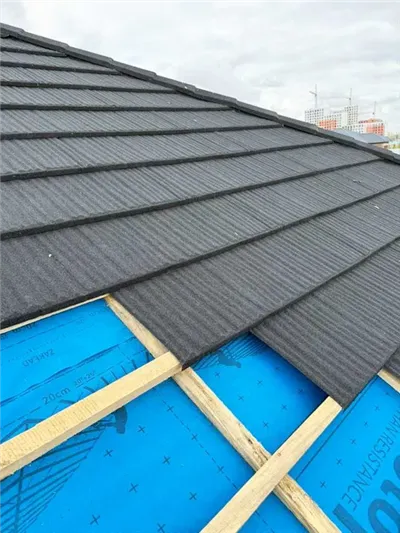
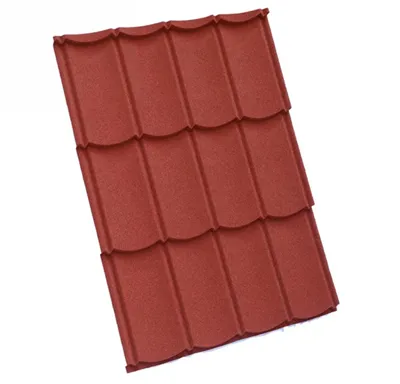
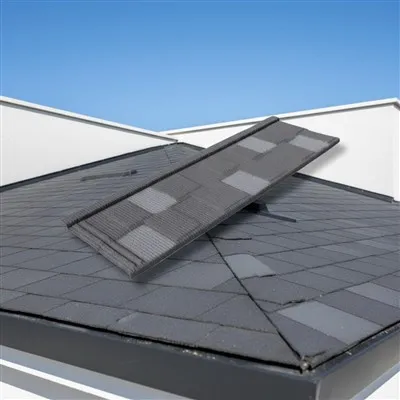
During long-term service, roof tiles are continuously subjected to wind and rain erosion, temperature changes, ultraviolet radiation, and mechanical loads. Their physical properties and appearance gradually deteriorate over time.A reasonable maintenance cycle can not only slow down material aging and reduce the risk of sudden damage and leakage, but also extend the overall lifespan of the roof system, making it an indispensable technical aspect of building operation and maintenance management.
The determination of the maintenance cycle should be based on a comprehensive analysis of multiple factors. First, regional climate conditions must be considered: in rainy and humid areas, tiles are susceptible to water erosion and mold growth, so the interval between inspections and cleaning should be shortened; in cold areas with frequent freeze-thaw cycles, the thermal expansion and contraction stress of the tiles is significant, requiring enhanced structural stability checks before and after winter; in areas with strong sunlight and high temperatures, attention should be paid to the fading and embrittlement trends of the tile surface, and the frequency of protective maintenance should be appropriately increased. Secondly, the maintenance schedule should be tailored to the building's usage and roof structure: Residential roofs have relatively stable load variations and can be maintained on a regular schedule; public buildings or industrial plants, due to increased external interference from personnel activity and equipment vibration, require more frequent inspections. Furthermore, the material of the roof tiles directly impacts maintenance frequency-clay and earthenware tiles, while durable, are sensitive to water seepage and frost damage; cement tiles require protection against surface powdering and joint failure; asphalt shingles and synthetic resin tiles require particular attention to the preservation of their weather-resistant layer.
Generally, roof tile maintenance can be categorized into three types: routine inspections, periodic maintenance, and specialized repairs. Routine inspections are recommended every six months, focusing on whether tiles have shifted, cracked, or are damaged, whether fasteners are loose, and whether drainage channels are clear. Periodic maintenance should be performed every two to three years, including removing dust and vegetation from the roof surface, clearing gutters and downpipes, inspecting and reapplying protective coatings (for materials requiring maintenance), and tightening or replacing rusted connectors. Specialized repairs do not have a fixed schedule and should be implemented promptly when moderate or higher-level hazards are discovered during inspections or maintenance to prevent minor issues from escalating into structural damage.
Scientifically setting and strictly adhering to maintenance cycles requires establishing a complete record-keeping and evaluation mechanism. After each operation, inspection data, maintenance measures, and information on replaced parts should be archived. The rationality of the cycle should be evaluated based on historical data, and the plan should be dynamically optimized according to climate change and building usage. Only by combining periodic maintenance with timely response can the optimal balance between resource input and maintenance efficiency be achieved while ensuring roof functionality.