Roof tile construction is a crucial step in translating design intent into a functional roof structure. Its quality directly determines the roof's waterproofing performance, structural safety, and durability. To ensure the construction results meet project expectations, strict adherence to relevant national and industry standards is essential, and standardized and meticulous practices must be implemented throughout the entire process.
During the preparation phase, the flatness, strength, and moisture content of the roof substrate should be verified according to the design documents and current standards such as the "Roofing Engineering Quality Acceptance Specification." The substrate surface must be free of obvious unevenness, looseness, and oil stains. The strength of the concrete or mortar substrate should meet design requirements, and wooden substrates should undergo anti-corrosion and moisture-proof treatment. The tile laying plan must be reviewed, clearly defining the starting position, overlap length, and detailed construction of the ridge and eaves. Tiles and fasteners of consistent material and specifications must be prepared according to the actual usage. For pitched roof construction, a safe operating platform and fall protection facilities must be provided. Workers must receive safety briefings and wear qualified protective equipment.
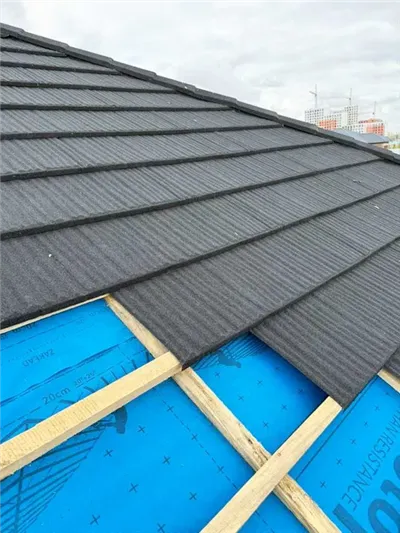
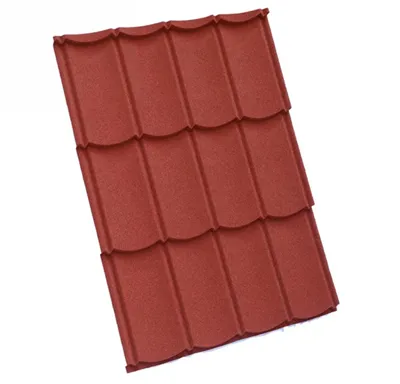
After the substrate treatment is completed, the tiles should be laid according to their characteristics. Standards stipulate that roof tiles should be laid from bottom to top, from the eaves to the ridge, maintaining consistent drainage direction and slope. The overlap dimensions of different materials should meet design requirements: the overlap width of clay tiles and terracotta tiles should not be less than the specified minimum, and they should be fixed with mortar or battens; cement tiles and synthetic resin tiles can be interlocked or overlapped according to their ribs to ensure a tight fit; metal tiles should use concealed edge locking or special fasteners to ensure continuous joints without warping. Direct stepping on the tile surface is strictly prohibited during installation; when handling and positioning, both hands should be used to support the bottom, avoiding impacts from edges and corners.
Fixing operations must meet wind and earthquake resistance requirements. The type, spacing, and anchoring depth of fasteners should be calculated and determined based on the local wind pressure level, roof slope, and the self-weight of the tiles. Metal roof tiles and synthetic resin tiles are commonly fixed with self-tapping screws and waterproof washers. The washers should be compatible with the tile material to prevent electrochemical corrosion. Traditional tiles are often fixed with battens, copper wire, or galvanized steel wire. Joints should be secure but not too tight to avoid micro-cracks caused by excessive tightness. The head of the fastener should be flush with or slightly lower than the tile surface to ensure smooth drainage and a neat appearance.
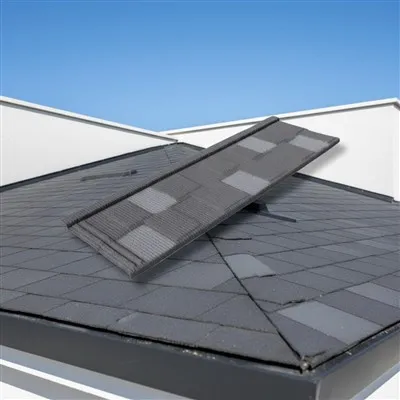
At joints such as ridges, eaves, gable walls, and skylights, construction should strictly follow the detailed drawings and standard practices. Ridges should be covered with special ridge tiles or waterproof covers, and the ridge line should be straight and secure. Flashing and sealing layers should be laid continuously, with corners rounded or obtuse, and filled tightly with flexible waterproof material to prevent rainwater from seeping in through gaps. All joints, fixing points, and finishing areas should be reliably waterproofed and sealed.
After construction, a comprehensive quality inspection should be conducted to confirm that the tiles are neatly arranged, tightly overlapped, securely fixed, and that drainage paths are unobstructed. Necessary water spraying or water retention tests should be performed to verify the waterproofing effect. After inspection and approval, the site is cleaned up, and an archive containing details of the construction process, material batches, test results, and rectification records is created to provide a basis for final acceptance and subsequent maintenance.
Roof tile construction standards are not only technical specifications but also guarantees of quality and safety. Only by strictly adhering to procedures in each stage-from construction preparation and substrate treatment to laying and fixing, waterproofing at key points, and acceptance-can the long-term stable operation of the roof system be achieved, providing a solid and reliable protective barrier for the building.