As a crucial component of building envelope systems, the development of the roofing tile industry has always been closely linked to advancements in building material technology, ecological and environmental requirements, and the upgrading of building functions. In recent years, with the continuous advancement of urbanization, the deepening of green building concepts, and the popularization of intelligent manufacturing, the roofing tile industry has shown significant trends towards material diversification, high performance enhancement, intelligent production, and environmental friendliness, reshaping the landscape of product development and market application.
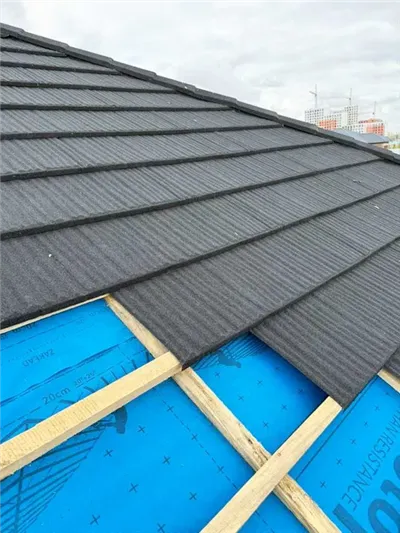
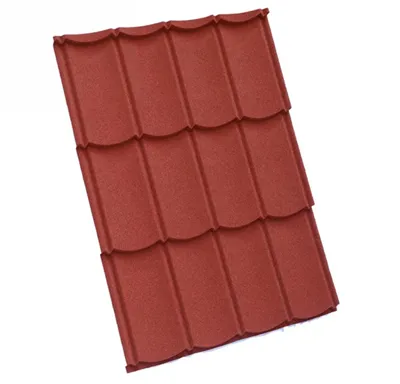
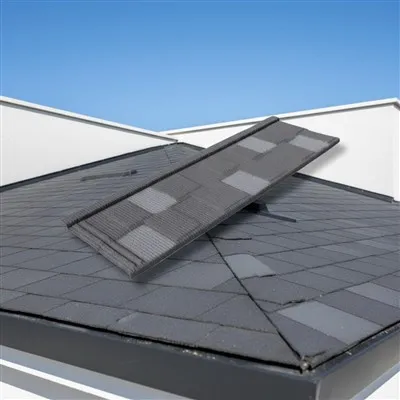
In terms of material innovation, the industry is expanding from single traditional materials to composite and functional materials. Traditional clay tiles and terracotta tiles continue to occupy niche markets due to their excellent weather resistance and cultural appeal. However, driven by energy conservation, emission reduction, and sustainable resource utilization, more companies are committed to developing low-energy firing processes and recycled raw material utilization technologies to reduce their carbon footprint. Cement tiles are improving density and durability through optimized formulas and high-pressure molding processes. Meanwhile, polymer-based synthetic resin tiles and fiber-reinforced composite material tiles are rapidly emerging, widely used in light steel structures, prefabricated buildings, and landscape structures due to their advantages such as lightweight, corrosion resistance, long-lasting color, and ease of processing. Metal roofing tiles, with their recyclability and modern aesthetic appeal, have become the preferred choice for low-carbon buildings and high-end projects.
The trend of performance improvement is reflected in the simultaneous optimization of multiple dimensions, including waterproofing, wind resistance, heat insulation, and durability. The new generation of tiles not only continuously improves structural strength and weather resistance but also emphasizes the integration of thermal and acoustic performance. For example, by adding a composite insulation layer to the bottom of the tile or applying a high-reflectivity coating to the surface, summer heat gain and winter heat loss are effectively reduced, balancing energy conservation and comfort. Wind uplift and seismic design are also becoming increasingly refined. The fixing system and seam locking structure, combined with wind tunnel testing and numerical simulation optimization, significantly improve the safety of roofs under extreme weather conditions.
Green production and sustainable development concepts are profoundly influencing the industry's direction. Increasingly stringent policy requirements for building energy conservation, carbon emission limits, and solid waste resource utilization are driving tile manufacturers to accelerate clean production process transformation, introducing technologies such as low-temperature firing, waste heat recovery, and dust control to reduce energy and resource consumption. At the same time, the proportion of recyclable, biodegradable, or reusable materials is continuously increasing, contributing to a reduction in the environmental burden throughout the building's life cycle. Some companies are beginning to explore product design based on Life Cycle Assessment (LCA) to achieve environmental friendliness throughout the entire process from raw material acquisition to waste disposal.
The penetration of smart manufacturing and digital technologies has brought a leap in production efficiency and quality control to the industry. The gradual promotion of automated batching, precision pressing, robotic installation, and online inspection has significantly improved product dimensional accuracy, appearance consistency, and defect rates. The integrated application of BIM (Building Information Modeling) and roofing design software makes tile layout schemes, node optimization, and construction simulation more intuitive and efficient, reducing on-site changes and material waste. The introduction of big data and IoT technologies enables manufacturers to achieve a closed loop of equipment status monitoring, energy consumption management, and quality traceability, improving supply chain transparency and market responsiveness.
The diversification of market demand is also driving innovation in product and service models. With the accelerated pace of cultural tourism integration, rural revitalization, and urban renewal, the market share of antique-style tiles, landscape tiles, and customized art tiles is steadily increasing, meeting the needs of architectural style protection and distinctive creation. Under the trend of distributed photovoltaics and roof integration, some tiles are beginning to integrate photoelectric conversion functions, exploring the integration of building productivity and protective functions. The service system has expanded from single product sales to testing, maintenance, and comprehensive roofing solutions, forming a technical support chain covering the entire lifecycle.
Overall, the roofing tile industry is entering a high-quality development stage centered on high performance, green and low-carbon features, and intelligent technology. In the future, driven by both technological innovation and policy guidance, the industry will further break through traditional boundaries, achieving synergistic improvements in materials, processes, functions, and ecological benefits, providing safer, more durable, and more sustainable roof protection solutions for modern buildings.