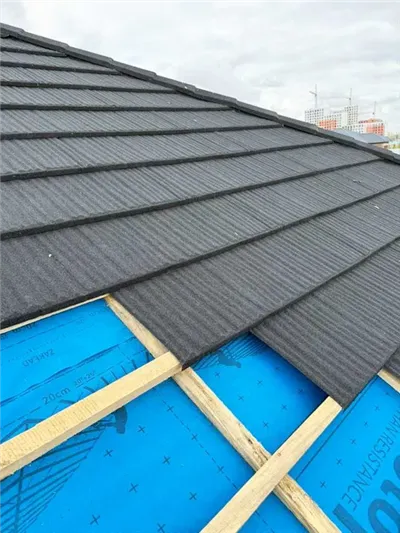
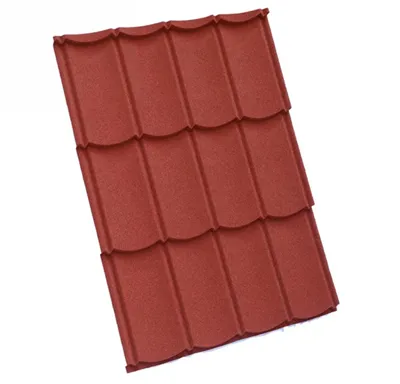
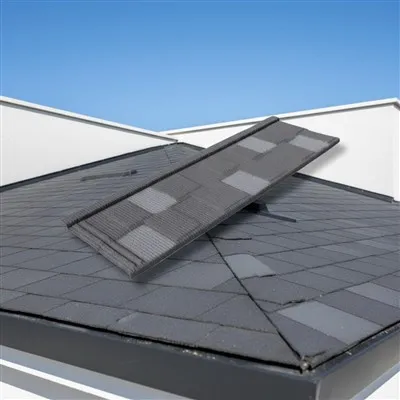
The appearance of skylight sheets not only directly reflects their recognizability but also, to a certain extent, their structural characteristics and application positioning. As a component of building exterior cladding and lighting systems, skylight sheets possess distinctive and practical appearance characteristics in terms of shape, color, surface texture, and cross-sectional contours, balancing functional expression with visual harmony.
In terms of shape, skylight sheets are commonly long strips, with width and length customizable according to project requirements. Edges are often precisely cut or molded to ensure tight joints and overall flatness during installation. Their simple and regular main outline facilitates continuous coverage on roofs or facades, forming a unified lighting interface.
Cross-sectional characteristics are a crucial element in identifying the appearance of skylight sheets. To balance drainage, wind resistance, and structural strength, the industry commonly uses wavy, trapezoidal, or curved cross-sections. These curved shapes not only improve adhesion to the substrate but also create a sense of rhythm visually, enhancing the dynamic expression of the building's facade. Hollow or multi-cavity cross-section structures appear as vertically running grooves or dividing ribs, highlighting their heat insulation and noise reduction advantages while creating a subtle three-dimensional effect through light and shadow variations.
Surface textures vary widely due to differences in materials and processes. Fiberglass-reinforced translucent tiles often have a fine, uniform frosted or semi-polished surface, where light is refracted and softly scattered, reducing direct glare. Polycarbonate products can be finished with high gloss or matte finishes; the former is bright and transparent, while the latter is understated and sophisticated. Some products undergo embossing or texturing treatments, creating regular or irregular raised textures on the surface, enhancing slip resistance and stain resistance, and giving the panels a unique tactile and visual appeal.
Color systems cover transparent, semi-transparent, and various color options. Transparent translucent roofing sheets emphasize the transmission of primary colors of light and are often used in locations requiring high-definition lighting. Semi-transparent sheets soften light intensity while maintaining sufficient light intake, making them suitable for offices, exhibitions, and other spaces with high requirements for environmental comfort. Colored translucent roofing sheets use shades of blue, green, and gray to adjust the spectral composition entering the room, balancing functional requirements with the overall color scheme of the building, and are particularly expressive in agricultural greenhouses or landscape structures.
Overall, the appearance of translucent roofing sheets is based on a simple and regular form, combined with curved cross-sections, diverse surface textures, and a rich selection of colors. While meeting structural and installation requirements, they can create a harmonious and unified visual effect with building facades or roofs, achieving an organic integration of practicality and aesthetics.