I. Balance Logic of Lighting and Heat Insulation
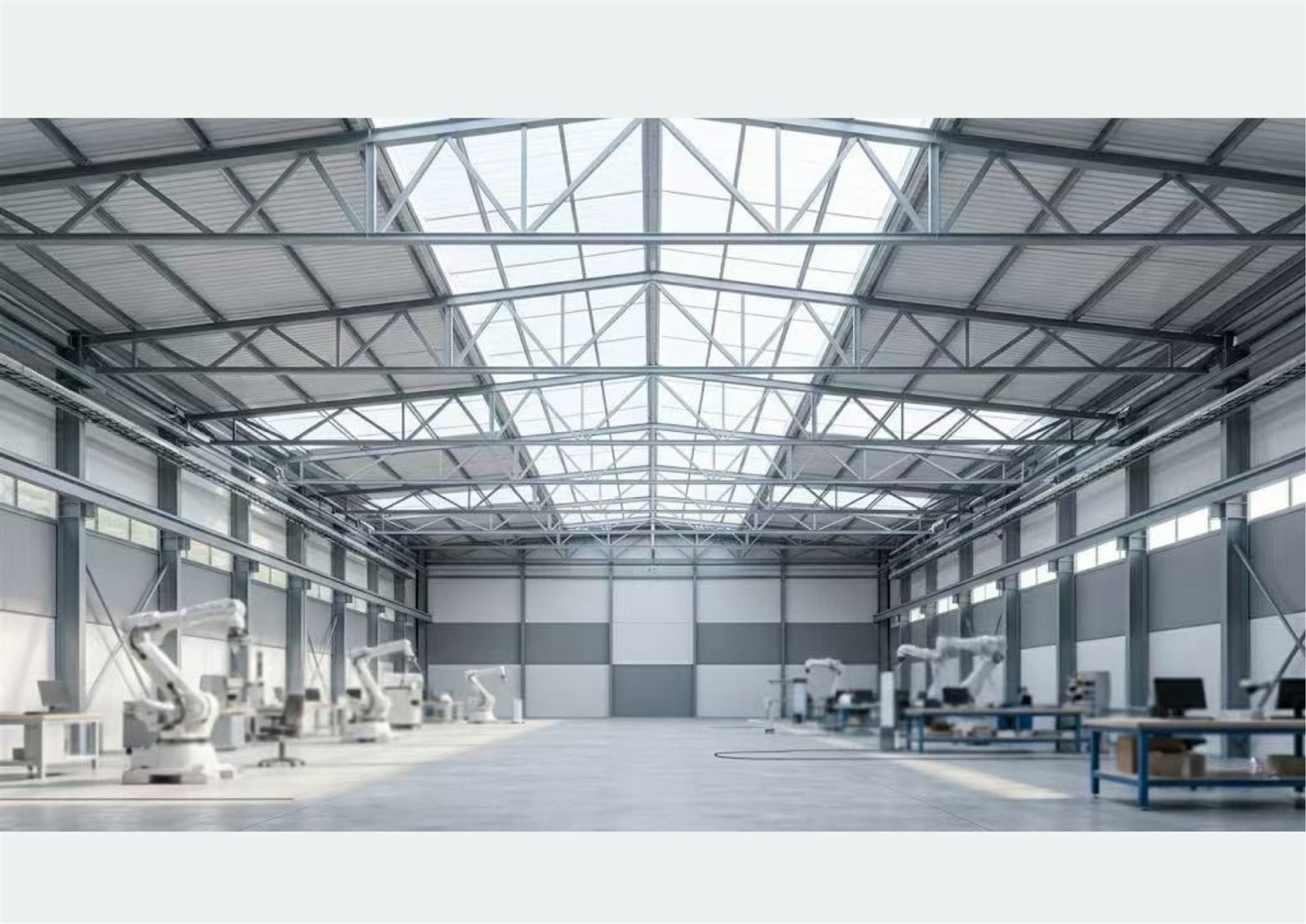
Traditional metal roofs often encounter the dilemma of "poor lighting leads to high energy consumption, and too many windows cause leakage and annoyance".
* Diffuse Reflection Technology: The high-performance FRP shading tiles we produce adopt scattering technology. Unlike the direct transmission of ordinary glass, it can convert intense direct light into soft diffuse light, increasing the coverage area by more than 30%, while eliminating indoor light spots. This not only reduces 70% of the need for artificial lighting during the day, but also avoids the generation of local high-temperature points in summer.
* Synergistic Temperature Control: Combined with polyurethane (PIR) or rock wool sandwich panels with thickness ranging from 50mm to 150mm, the thermal conductivity coefficient (U value) of the factory building can be reduced to an extremely low level. This combination can lock in indoor heat in winter and block external heat waves in summer. After calculation, the overall air conditioning energy efficiency can be increased by 25%.
II. Structural Safety and Leak Prevention System
For B-end customers, leakage is the greatest nightmare.
* Perfectly Matched Panel Shape: The wave shape of the shading tiles we design precisely fits the outer steel plate of the sandwich panel. Combined with special anti-aging sealing materials, it solves the gap problem at the interface of heterogeneous materials.
* Weather Resistance and Service Life: Our shading tiles are coated with 20μm UV-resistant gel coat, while the sandwich panels use aluminum-zinc alloy coating. This configuration can resist the increasingly frequent acid rain and extreme ultraviolet rays in 2026, ensuring the overall service life of the system exceeds 25 years.
III. Construction Efficiency: Advantages of Modular Installation
In 2026, the global construction industry faces an artificial shortage. Our products support pre-assembled construction. The sandwich panels and shading tiles can be precisely measured according to the engineering length, and on-site only need to be quickly assembled like "building blocks". Compared with traditional multi-layer on-site composite roofs, the construction period can be shortened by 40%-50%