The selection of roof tile materials is a crucial factor in determining the performance, durability, and economy of a roofing system. A comprehensive evaluation is necessary, taking into account the climate characteristics of the building's location, structural load conditions, functional requirements, and life-cycle costs. Different materials offer advantages in physical properties, weather resistance, construction adaptability, and aesthetic value. Scientific selection ensures optimal resource allocation while meeting usage requirements.
Regarding climate adaptability, priority should be given to the material's water resistance, frost resistance, and UV resistance. In rainy and humid areas, tiles with low water absorption and high impermeability, such as high-temperature sintered terracotta tiles or high-quality clay tiles, are recommended to reduce the risk of frost heave and mold caused by moisture retention. In cold areas with frequent freeze-thaw cycles, attention should be paid to the material's thermal stability and microstructural integrity to prevent cracking due to repeated expansion and contraction. In areas with strong sunlight and high temperatures, anti-aging performance should be emphasized, with UV-resistant synthetic resin tiles or surface-treated metal tiles preferred to maintain color stability and durable mechanical properties.
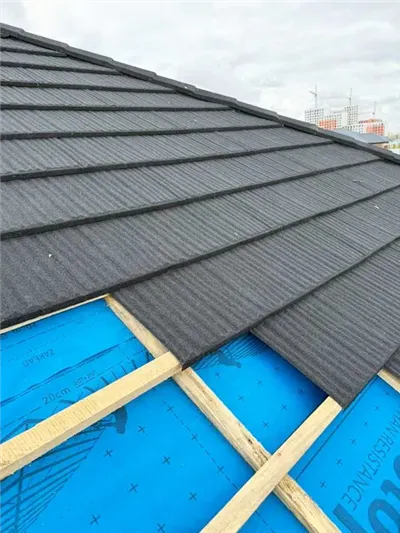
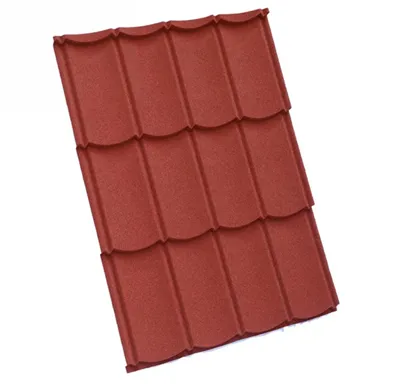
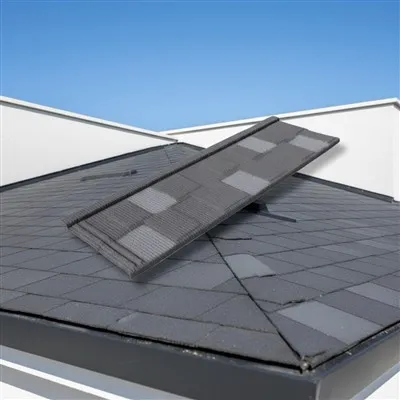
Structural load conditions are another decisive factor. Traditional clay and terracotta tiles are relatively heavy, requiring a high-performance roof load-bearing system, and are suitable for new projects with sufficient load margins or reinforced existing buildings. Cement tiles have a moderate weight and are well-suited for general civil buildings. Asphalt shingles and synthetic resin tiles are lightweight and flexible, significantly reducing roof loads, and are particularly suitable for light steel structures, prefabricated buildings, and renovation projects with limited load-bearing capacity. Metal roofing tiles, in addition to being lightweight, also possess high strength and recyclability, and are increasingly widely used in large public buildings and green building projects.
Functional requirements include waterproofing, fire resistance, sound insulation, and thermal performance. Terracotta and cement tiles, either naturally or after treatment, have good fire resistance, making them suitable for buildings with high fire safety requirements. Asphalt shingles have excellent waterproofing performance and are easy to install, making them popular for low-rise residential buildings in rainy areas. Synthetic resin tiles are resistant to acid and alkali corrosion, making them suitable for buildings in coastal areas or chemically polluted environments. Metal roofing tiles have a high thermal conductivity and require the use of insulation layers to prevent increased heat load in summer and excessive heat loss in winter. The harmony between aesthetics and architectural style is also crucial. Clay and terracotta tiles, with their subdued colors and natural textures, harmonize well with traditional residences, historical buildings, and antique-style neighborhoods. Cement and synthetic resin tiles can mimic various textures and colors, meeting the needs of modern minimalist or personalized designs. Metal tiles, with their clean lines and high gloss, are commonly used in modern public buildings and commercial complexes, highlighting a sense of fashion and technology.
Economic analysis should cover both initial investment and long-term maintenance costs. While high-quality materials like terracotta and metal tiles have higher initial costs, their durability reduces replacement frequency and maintenance expenses. Asphalt shingles and synthetic resin tiles have lower costs, but their lifespan may be shortened in harsh climates, requiring a balance between replacement cycles and overall costs.
In conclusion, the selection of roofing tile materials should be based on the climate environment, combined with a multi-dimensional assessment of structural load, functional requirements, aesthetic matching, and economic efficiency. Relying on professional evaluations and case studies is essential to ensuring roof safety and comfort while achieving sustainable architectural value.