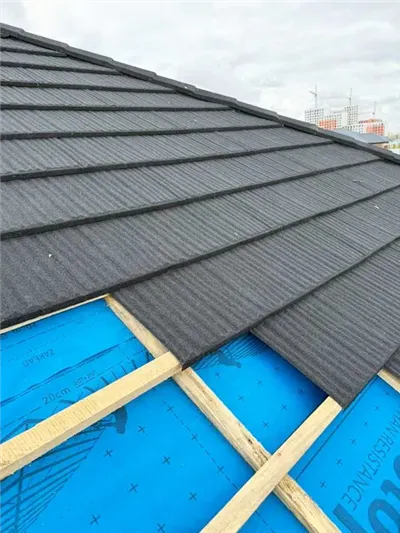
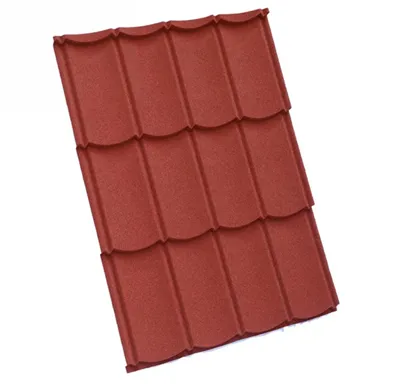
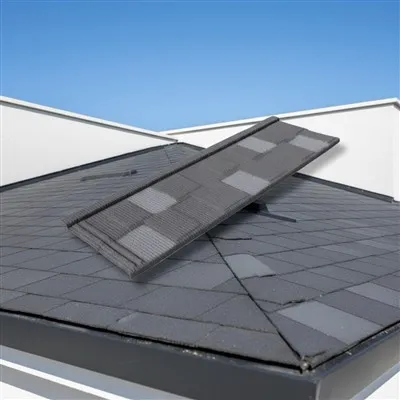
Roof tiles, as a crucial component of a building's external envelope, directly impact waterproofing performance, structural stability, and safety. A scientifically sound inspection process can identify problems at their earliest stages, preventing leaks, falls, and other risks from escalating. Therefore, it is an essential step in building maintenance and repair.
Adequate preparation is crucial before inspection. First, collect the original design drawings, construction records, and historical maintenance files of the target building to clarify the tile type, installation process, and joint details. Second, assess potential risks based on the building's age and usage environment; for example, focus on waterproofing failure in rainy areas and freeze-thaw damage in cold regions. Simultaneously, prepare all necessary inspection tools, such as high-definition endoscopes, infrared thermal imagers, thickness gauges, and safety protective equipment, ensuring that working conditions comply with high-altitude operation regulations.
On-site inspection follows the principle of "from the whole to the part, from the surface to the interior." The first step is to conduct a visual inspection, using elevated equipment to observe the tiles for cracks, missing corners, displacement, or vegetation growth, focusing on areas prone to water accumulation such as the ridge, eaves, and drainage ditches. The second step involves detailed inspection, using an endoscope to check the sealing of concealed joints and an infrared thermal imager to identify areas of abnormal temperature due to hollowness or water seepage. The third step is to assess the fixing system, checking the degree of corrosion and anchoring strength of the battens and bolts to determine if the wind uplift resistance meets standards. For tiles suspected of being damaged, samples can be taken for physical performance testing, analyzing indicators such as flexural strength and water absorption rate to verify whether durability meets current standards.
A systematic report must be generated after the inspection. The report should include a diagram of the defect location, cause analysis, and risk level assessment, along with targeted repair recommendations-such as partial replacement of damaged tiles, recoating the waterproof layer, or reinforcing the supporting structure. It is recommended to establish a periodic re-inspection mechanism, determining the inspection interval based on climate characteristics and usage frequency, thus shifting from reactive handling to proactive prevention.
Standardized testing procedures can not only extend the service life of roofs, but also reduce the probability of sudden accidents, providing solid technical support for the safe operation and maintenance of buildings.