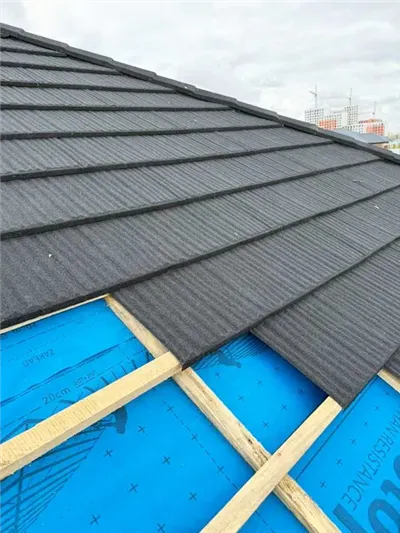
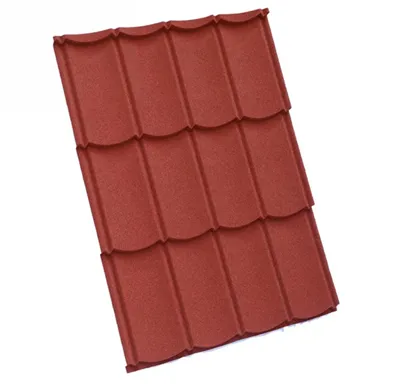
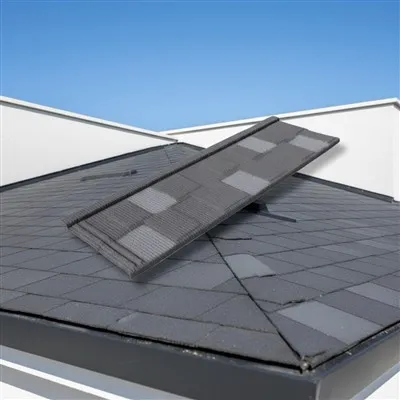
During their service life, roofing tiles are susceptible to cracking, detachment, leakage, and fixation failure due to multiple factors, including natural environmental erosion, material aging, construction defects, and external forces. If not addressed promptly, these problems can lead to structural damage to the roof and even indoor environmental hazards. Establishing a scientific and practical solution system is essential to ensure roof functionality and building safety.
For tile damage and missing tiles, a tiered response mechanism should be established. Minor damage can be addressed by partial replacement with the same or compatible materials, provided the base layer is intact, ensuring the new tiles are consistent with the originals in specifications, overlap, and color. Moderate damage involving multiple tiles requires removal and replacement of the affected area, while simultaneously checking the base layer for moisture or corrosion, and performing moisture-proofing and leveling treatments if necessary. Severe damage or extensive aging necessitates complete renovation, prioritizing materials with superior weather resistance to meet future environmental challenges.
Solutions to leakage problems require addressing the root causes and employing a comprehensive approach. If the leak originates from improper tile overlap or loose fasteners, the overlap sequence should be readjusted, the fastening points increased, and proper sealing implemented. If leakage is caused by tile cracks or glaze peeling, the cracks should first be cleaned and repaired with flexible waterproof sealant, then a waterproof membrane or high-elasticity waterproof coating applied as needed. For leaks caused by substrate deformation or poor drainage, the roof slope should be optimized, and gutters and downpipes cleared to ensure rainwater drains quickly away from the roof.
Regarding wind resistance and preventing tile detachment, solutions should incorporate both design and construction reinforcement. During the selection phase, tile weight and fastening methods should be determined based on local wind pressure parameters, with wind-resistant fasteners or mechanical locking devices added as necessary. During construction, ensure that the spacing and anchoring depth of fasteners meet specifications, and provide redundant reinforcement to critical areas such as corners, ridges, and windward surfaces. Existing roofs can have additional fasteners added or adhesive reinforcement measures implemented during inspections to improve overall stability.
For damage caused by freeze-thaw cycles, solutions focus on material protection and structural optimization. Roofing tiles with low water absorption and a coefficient of thermal expansion matching the substrate can be selected. A vapor barrier and insulation layer should be installed between the substrate and the tiles to reduce thermal stress. Before winter, roof drainage paths should be cleared to prevent water accumulation, freezing, and expansion that could cause tiles to bulge or crack.
Furthermore, a periodic inspection and maintenance system should be established, incorporating routine inspections, cleaning, and protective coating updates into routine management, forming a closed loop of "inspection-diagnosis-treatment-review." Recording the location of defects, treatment methods, and effectiveness assessments using information technology can provide data support for subsequent decision-making.
In general, solving roofing tile problems requires a systemic approach that integrates material selection, structural reinforcement, waterproofing improvements, and operation and maintenance management. By combining prevention, repair, and reinforcement, the continuous stability of roof performance can be achieved, building a solid barrier for building safety and durable operation.